
Chapter 2
The Social and Psychological Impact of a Burdened Name
Names are not just random collections of letters; they carry immense social signals that influence how a person is perceived from the playground to the corporate boardroom.
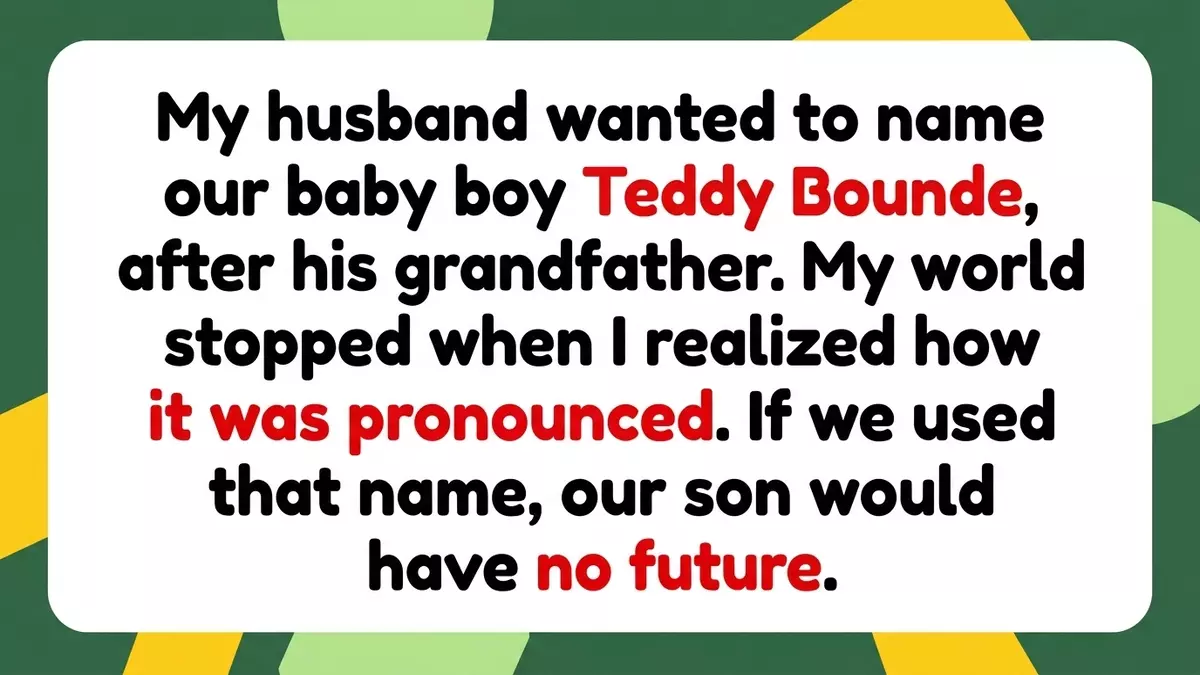
"Teddy Bounde" ──(Phonetic Alignment)──> "Teddy Bundy" ──> Immediate Negative Cognitive Association
What the Research Says about Distinctive Names
Saddling a child with a moniker synonymous with a notorious criminal is a recipe for unneeded social isolation and psychological distress.
According to renowned researcher Dr. David Figlio, who has extensively studied the social impact of names, distinctive or heavily burdened names can significantly influence how children are treated by peers and teachers alike.
Names carry strong, immediate cognitive signals. A child named "Teddy Bounde" would undoubtedly trigger instant, negative associations for anyone reading a school roll sheet, a sports roster, or—later in life—a job resume. The child would be forced to walk through life carrying the shadow of a historical monster, constantly explaining, correcting, or defending their own name.
The Desire for "Symbolic Immortality"
Psychologists often refer to the deep-seated human desire to pass down names across generations as a form of symbolic immortality. By naming a child after a deceased relative, families attempt to keep the essence and values of a loved one alive in the physical world.
While this is a beautiful and time-honored tradition, family therapists emphasize that it must always be balanced with the child’s right to an independent, unburdened identity. A child is a brand-new human being, not a memorial plaque or a healing tool for a parent's unresolved grief.
Finding a Breakthrough and the "Two Yeses, One No" Rule
When parents face such highly charged family drama, establishing healthy boundaries around baby-naming choices is vital for long-term marital harmony. Fortunately, a level-headed perspective from a fellow mourner eventually provided the breakthrough the couple needed to bridge the gap between raw grief and reality.
The Power of the Veto
To resolve the marriage dispute and protect their relationship, the couple adopted a golden rule of modern parenting: "Two Yeses, One No."
The "Two Yeses, One No" rule dictates that both partners must enthusiastically agree on a child’s name for it to be chosen. If either partner issues a veto, the option is completely off the table.
This rule protects the family dynamic from long-term resentment and aids in healthy conflict resolution, ensuring that neither parent feels forced into a choice they fundamentally dread.