
Chapter 2
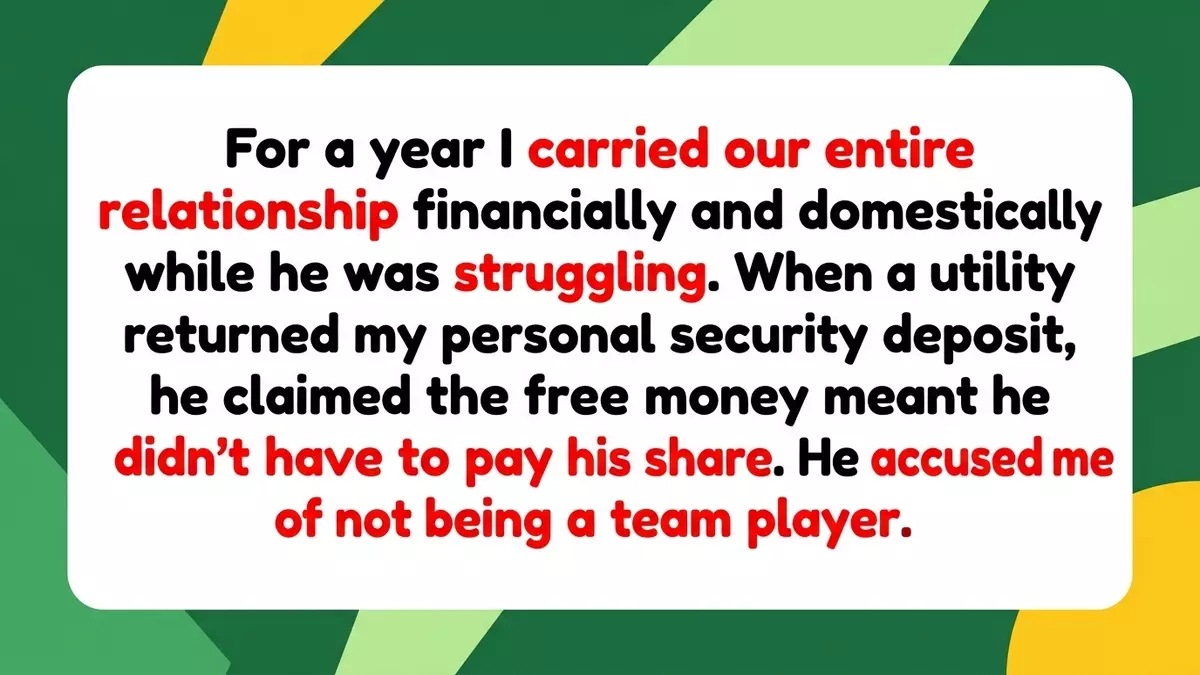
This sudden, aggressive dispute forced her to look closely at the mounting resentment she had been hiding under the guise of compassion, realizing that her ongoing generosity was being actively exploited.
Recognizing the Red Flags of Financial Co-Dependency
Supporting a romantic partner through a severe depressive episode is an incredibly challenging, emotionally exhausting, and noble endeavor. However, relationship experts emphasize that maintaining rigid personal financial boundaries is absolutely essential to prevent total emotional burnout and systemic resentment.
A relationship cannot survive when one person bears almost all of the financial and domestic weight while the other claims the benefits of a “team” only when it is convenient for them to dodge accountability.
| Relationship Dynamic | Actual Daily Contribution | Behavioral Response to Utility Credit |
| The Girlfriend (29) | Manages full-time expenses, handles grocery shopping, cooking, driving, and all chores. | Demands financial equity and the return of her personal security deposit funds. |
| The Depressed Boyfriend | Contributes minimal household labor; relies heavily on partner's emotional cushioning. | Claims a personal refund is "communal cash" to avoid paying his monthly share of utilities. |
The online community overwhelmingly sided with the girlfriend, with many users pointing out the glaring, toxic double standards in how the boyfriend chose to define "teamwork." To him, teamwork meant sharing her personal assets, but it curiously never extended to sharing the burden of household chores, driving, or domestic labor.
A vocal segment of observers went a step further, urging the girlfriend to look past the immediate argument over the electric bill and recognize that the relationship itself had likely passed its expiration date.
Psychological Entitlement and the Sunk Cost Fallacy
When a partner uses their mental health struggles as a blanket shield to avoid basic lifestyle accountability, it crosses a dangerous line from vulnerability into manipulation. The boyfriend’s immediate surrender to anger when asked to pay his fair share suggests that his financial evasion was not a misunderstanding of how utility deposits work, but rather a symptom of deep-seated entitlement.
In long-term relationships, victims of emotional exploitation often fall prey to the sunk cost fallacy. They tell themselves, "I have already invested so much time, energy, and money into helping him heal, I can't walk away now."
However, ignoring minor financial red flags like an uncooperative utility dispute only delays an inevitable breakdown. True relational safety requires absolute transparency, a shared commitment to equity, and mutual respect for each other’s financial boundaries, regardless of the hardships a couple faces.