
Chapter 2
The Gottman Principle: Defensiveness Erodes the Foundation
As noted by relationship experts at The Gottman Institute, responding to a mistake with defensiveness, excuses, or turning the situation around to ask for a "break" completely erodes trust. This behavior is a form of emotional deflection. It shifts the emotional burden onto the victim of the carelessness, punishing them for wanting their original property restored.
Research on relationship accountability indicates that a sincere apology must be followed by meaningful corrective action, rather than half-hearted quick fixes that benefit the wrongdoer. To resolve this, Matt needs to separate his financial dealings with his friend from his absolute obligation to his girlfriend.
The Standard for Relationship Repair
-
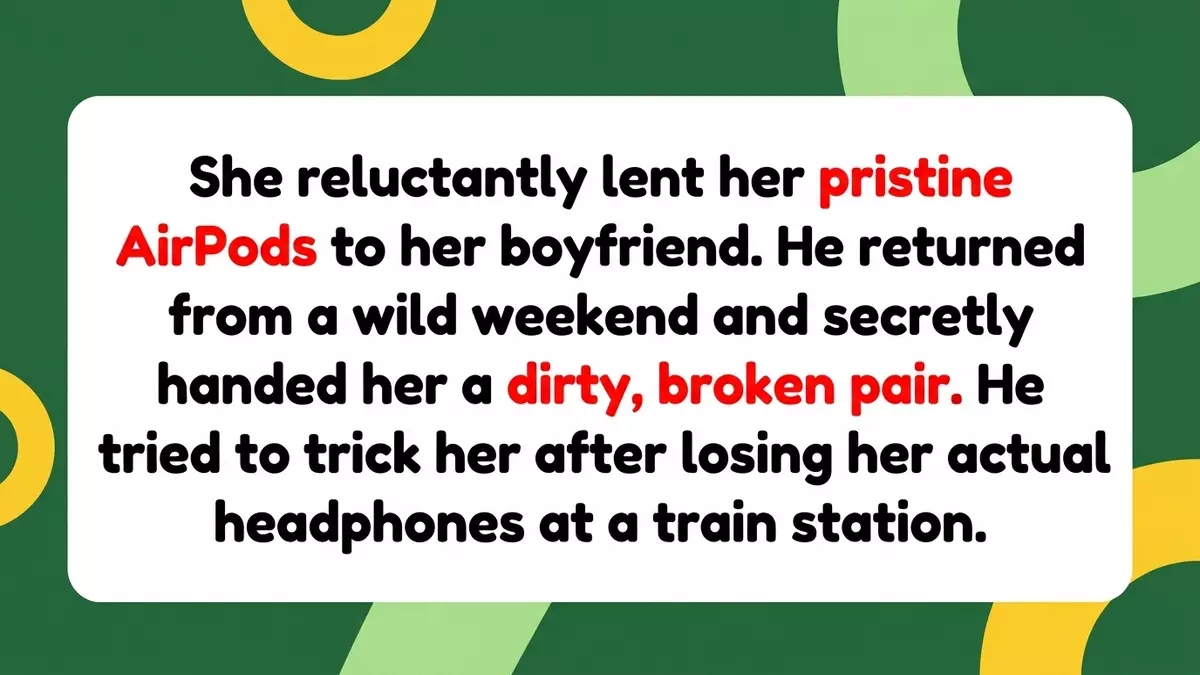
The Wrong Way: Offering a used, dirty alternative, making excuses about life stress, and guilt-tripping the partner for being upset.
-
The Right Way: Purchasing a brand-new, identical pair of AirPods immediately, apologizing sincerely without defensive pivots, and keeping the used pair for himself.
Public Verdict: A Telling Integrity Litmus Test
When this sticky modern dilemma hit online community forums, the public came in hot and was virtually unanimous. Commenters on platforms like Reddit fiercely called out the boyfriend's massive lack of hygiene and integrity.
Online readers pointed out that trying to secretly pass off the friend's AirPods without confessing first was the ultimate red flag. At its core, this situation is about much more than just a pair of headphones; it is a telling litmus test for how partners negotiate trust when mistakes happen. If a partner cannot take responsibility for a minor electronic device and prioritizes saving a quick buck over restoring their partner’s peace of mind, it raises major warnings for how they will handle significant life crises down the road.
Conclusion: Emotional Safety Over Monetary Value
Ultimately, navigating property damage within a partnership is less about the monetary value of the item and more about the emotional safety of knowing your partner has your back. Mistakes happen, but the way we resolve them speaks volumes about our commitment to the relationship’s foundation. Resolving such disputes requires open communication, empathy, and a willingness to make things right without shifting the blame. When a partner prioritizes their own convenience over your boundaries, it leaves lasting scars on the relationship’s longevity.
Frequently Asked Questions (FAQs)
1. Why is a partner's refusal to replace a lost item considered a relationship red flag?
It signals a fundamental lack of accountability and respect. If a partner minimizes your loss, uses deception (like a bait-and-switch), or makes excuses to avoid correcting their mistake, they are showing that their financial convenience matters more than your peace of mind and trust. This pattern typically escalates in larger life decisions.