
Chapter 2
The Psychological Trap: Over-Functioning and Codependency
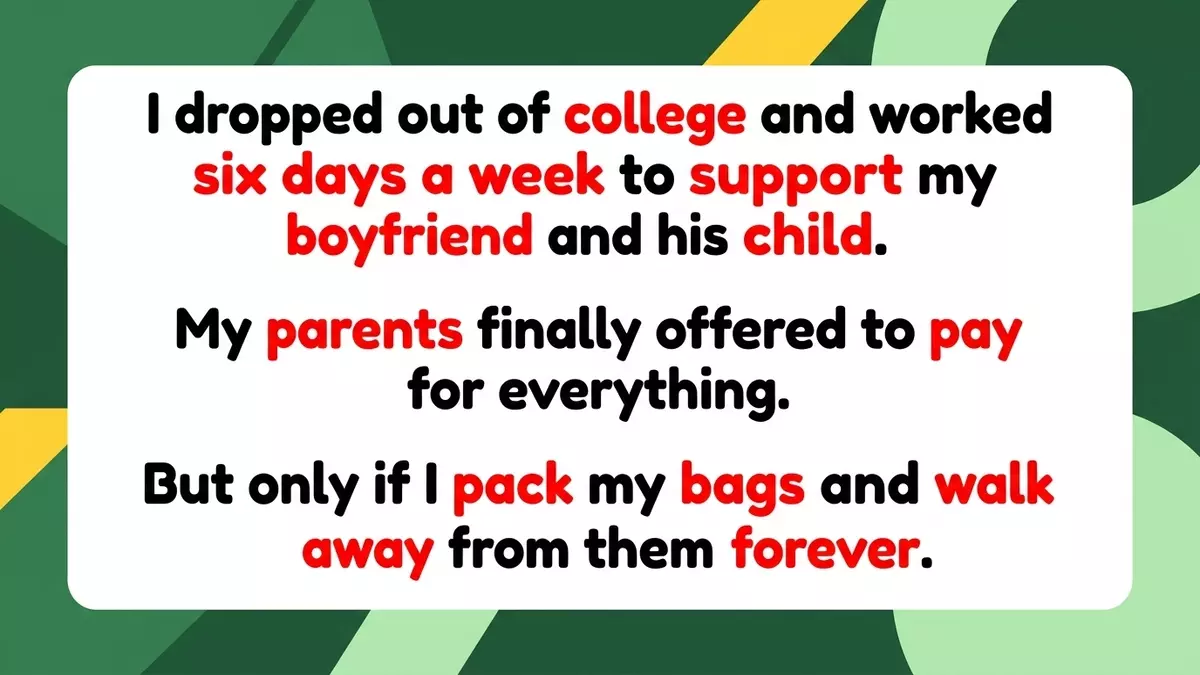
The young woman's situation is a textbook example of a classic psychological pattern where one partner carries the entire operational and financial weight of a household while the other slips into total dependence.
The Over-Functioner vs. Under-Functioner Dynamic
In relationships plagued by chronic stress or immaturity, partners often polarize. The "over-functioner" moves in to manage, organize, and fix every crisis, driven by a deep anxiety about structural failure (like getting evicted). The "under-underfunctioner" absorbs this behavior by becoming increasingly passive, realizing they don't need to try because their partner will always rescue them.
Rejection Sensitivity and Guilt
For the young woman, the thought of accepting her parents' help triggers intense guilt and rejection sensitivity. She interprets leaving as a personal failure—a declaration that her love and hard work weren't enough to "fix" her partner's life.
"When you are the only one fighting to keep a ship afloat, you aren't saving the relationship—you are just delaying the inevitable while drowning yourself."
The Parent's Intervention: A Generous Way Out
Recognizing that their daughter was on a fast track to permanent personal and financial ruin, her concerned parents stepped forward with an absolute boundary and a massive lifeline. They offered to fully fund her return to college, secure her a safe place to live, and completely back her financial recovery—under one strict, non-negotiable condition: she must pack her bags, leave the toxic environment, and end the relationship completely.
| The Relationship Path (Staying) | The Parents' Lifeline (Leaving) |
| • Continued financial instability and mounting debt. | • Full financial backing and a safe, rent-free home. |
| • Working six-day weeks in grueling, dead-end jobs. | • Returning to university with 100% tuition covered. |
| • Constant criticism from a passive, video-game-dependent partner. | • Emotional recovery, mental peace, and a fresh start. |
| • Sacrificing personal growth to enable an adult's stagnation. | • Reclaiming autonomy and building a stable, independent career. |
How to Accept Help and Walk Away from Toxic Love
Choosing self-preservation over people-pleasing is an essential step toward adult maturity, especially when a relationship threatens to permanently derail your career, mental well-being, and future. If you are caught in a similar trap, relationship experts offer key insights on how to handle the transition.
-
Acknowledge that Enabling is Not Helping: Paying an adult's rent while they refuse to work does not help them grow; it robs them of the natural consequences required to force a change.