
Chapter 2
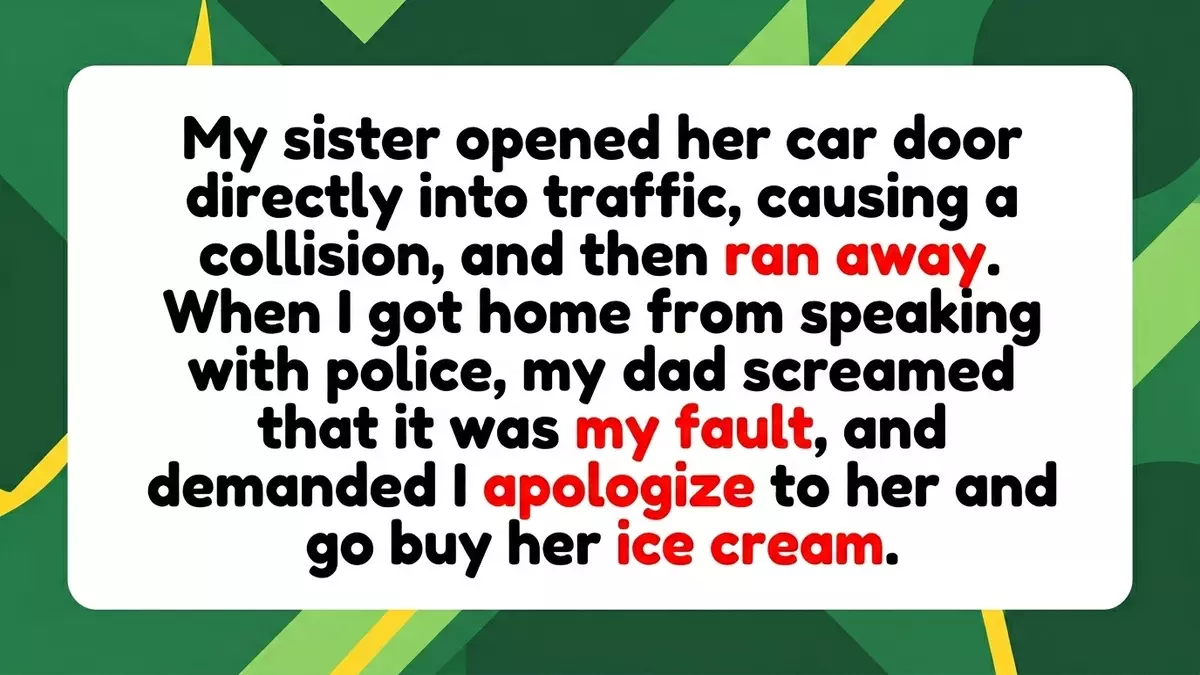
To add insult to injury, the father demanded that the teenager apologize to the sister for the stress of the argument and go buy her ice cream to cheer her up. When the teenager fiercely fought back against this unfair demand, the father erupted in anger, accusing them of being cold, unsupportive, and cruel to their sibling.
The Psychology of Glass Children and Family Scapegoating
This explosive household argument highlights a highly destructive psychological phenomenon known as glass child syndrome, combined with systemic family scapegoating.
What is a "Glass Child"?
The term "glass child" refers to a neurotypical sibling of a child with special needs or a neurodivergent diagnosis, such as autism. These children are called "glass" because their parents often look right through them, focusing the entirety of their emotional energy, financial resources, and patience on the child who requires extra support.
| Role in the Family | Parental Expectations | Behavioral Accountability |
| The Glass Child (Eldest Teen) | High standards of maturity; expected to act as a third parent or supervisor. | Strictly enforced; blamed for household friction. |
| The Coddled Sibling (Neurodivergent) | Low or non-existent expectations; shielded from stress. | Completely bypassed; protected from natural consequences. |
When parents overcompensate for a neurodivergent child by lowering all behavioral standards, they often inadvertently place an unfair emotional and physical burden onto the neurotypical sibling. In this case, the older teenager was expected to possess omniscient supervisory powers during a sudden taxi exit, while the younger sister was treated as a helpless bystander in an accident she actively caused.
The Dynamics of Family Scapegoating
According to family systems theory, dysfunctional family units frequently designate a single member as the scapegoat. By funneling all household blame onto this one individual, the parents can effectively avoid addressing their own toxic enabling behaviors or marital stresses.
By forcing the older sibling to purchase treats for a sister who just caused a major automobile collision, the parents are actively enabling entitlement under the guise of disability accommodation. This creates deep-seated, permanent resentment between the siblings and fractures the entire family unit.
The Real-World Danger of Shielding Kids from Liability
While accommodating special needs is essential for a compassionate household, erasing all personal boundaries prepares the neurodivergent child for a harsh awakening in the real world.
The younger sister's autism does not inherently prevent her from learning basic spatial awareness and vehicular safety. By shielding her from the social, financial, and legal liabilities of causing a traffic accident, the parents are depriving her of crucial developmental milestones.