3.Commit to Emergency Pre-Marital Counseling:Phase 3: Clinical Intervention.
Bypass standard wedding etiquette guides and immediately check into professional, licensed couples coaching. Use the remaining weeks before the altar to address the underlying lack of trust, learning how to air grievances and negotiate differences calmly as a unified team rather than treating your relationship as a game to be won.
Conclusion: The Wedding is One Day, the Marriage is a Lifetime
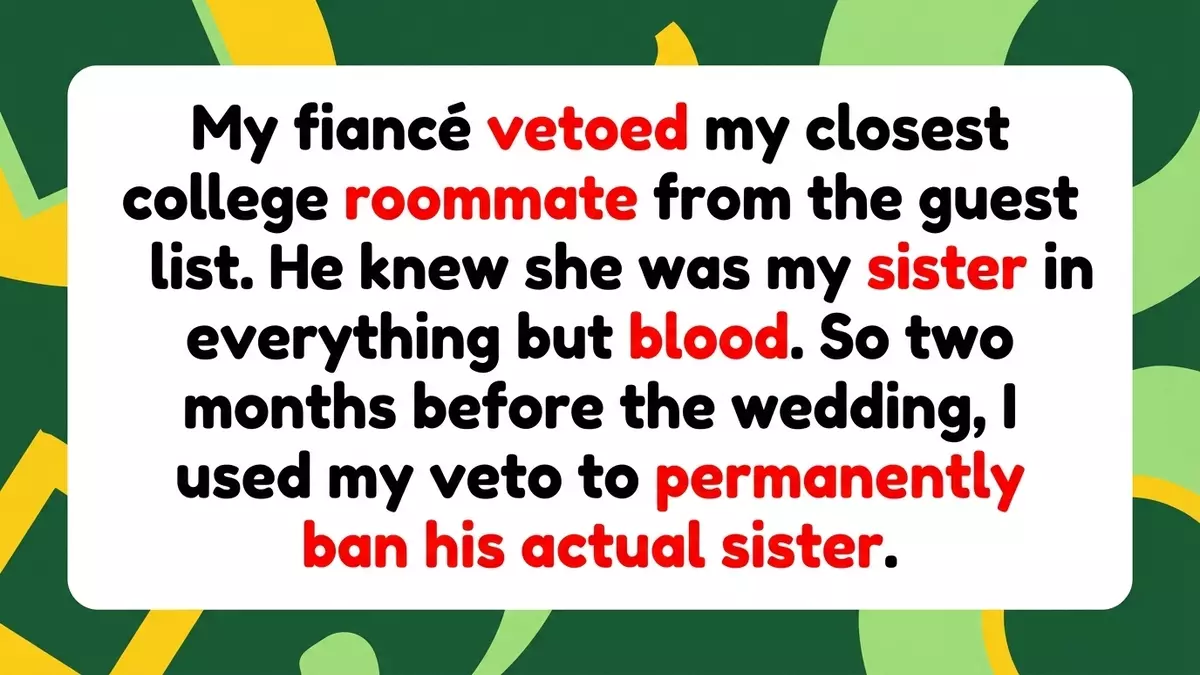
Ultimately, this bitter pre-wedding feud serves as a vivid reminder that a wedding guest list is often the very first major test of how an engaged couple will handle joint decision-making, compromise, and family dynamics in the years to come. A successful marriage requires both partners to abandon competitive scorekeeping and fiercely protect a mindset of mutual support, empathy, and collaboration. The wedding itself is merely a single, twelve-hour public performance, but the marriage is meant to endure for a lifetime. By prioritizing the health of the partnership over winning a domestic argument, couples can transform a high-stakes planning crisis into a powerful launching pad for lifelong unity.
Frequently Asked Questions (FAQ)
Should immediate family members always be considered non-negotiable wedding guests?
In the vast majority of cultural and psychological frameworks, immediate family members—specifically parents and siblings—are viewed as non-negotiable guests. Excluding a sibling out of petty retaliation or minor friction introduces a severe, long-term disruption into the family system that can alienate the couple from their extended support network for decades. The only universally accepted exception is if the relative has a documented history of severe abuse, violence, or active malice toward the couple.
How can engaged couples handle guest list disagreements without resorting to fights?
The healthiest strategy is to establish unified, objective parameters before any individual names are written down. For example, agree on rules such as: "We will only invite relatives we have spoken to within the last two years," or "No plus-ones unless the couple is engaged or cohabiting." Relying on clear, objective baseline rules removes personal emotion and prevents partners from feeling targeted.
What is pre-marital scorekeeping and why is it so destructive?
Scorekeeping is a toxic behavioral pattern where partners view their relationship as a ledger of transactions, tracking favors, mistakes, concessions, and wins. It destroys intimacy because it replaces unconditional love with competitive manipulation. If one partner feels entitled to inflict a negative consequence simply because they experienced a setback, the relationship devolves into a continuous cycle of retaliation.